
Speech therapy is a vital intervention that helps individuals of all ages overcome various communication challenges, such as articulation disorders, fluency issues, and language delays. Whether it’s for a child struggling to pronounce words correctly or an adult recovering from a stroke, understanding what happens during a speech therapy session can ease anxieties and set realistic expectations for patients and their families. This comprehensive guide will walk you through a typical speech therapy session, highlighting what to expect from the initial visit to the ongoing sessions.
Speech therapy sessions are tailored to meet the unique needs of each individual, focusing on specific communication challenges. These sessions are conducted by certified Speech-Language Pathologists (SLPs) who are trained to assess, diagnose, and treat speech, language, and communication problems.
What happens during a Speech Therapy Session?
A typical speech therapy session varies based on the patient’s age, the nature of the speech issues, and the goals established during the initial assessment. However, most sessions follow a structured format that includes warm-up exercises, targeted activities, and cool-down discussions
Warm-up
The session often starts with simple exercises to engage the client and warm up their vocal cords. This might include breathing exercises or light conversation to help ease into more targeted speech work.
Review of Goals and Progress
The therapist may review the goals set during previous sessions and discuss any progress or challenges experienced by the patient since the last meeting.
Targeted Activities
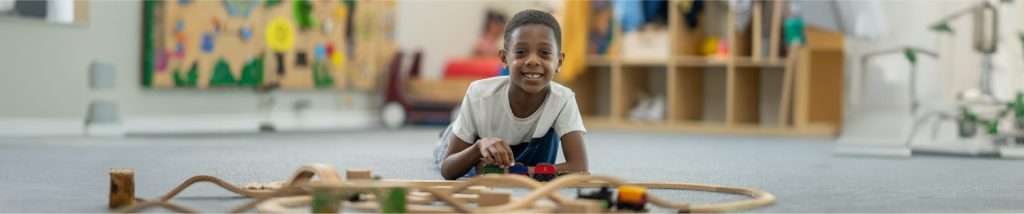
The bulk of the session is spent on activities designed to address specific speech or language issues. These activities can include articulation practice, language building exercises, or drills to improve fluency. For children, these activities might be game-based to keep them engaged and motivated.
Homework/Practice
Towards the end of the session, the therapist often assigns homework or suggests exercises to practice at home. This practice is crucial as it helps reinforce the skills learned during the session.
Feedback and Discussion
The session concludes with a discussion about the day’s work, including feedback from the therapist on the patient’s performance and any adjustments to the treatment plan.
What will they do in Speech Therapy?
In speech therapy, therapists use a variety of tools and techniques to address the specific needs of the patient. This can include
- Articulation Therapy – Exercises to improve the clarity of speech by correcting pronunciation difficulties.
- Language Intervention Activities – Techniques to enhance understanding and expression of language, both verbal and non-verbal.
- Voice Disorder Treatment – Methods to improve vocal quality, pitch, and volume.
- Oral-Motor Therapy – Activities to strengthen the muscles in the mouth and throat.
- Aural Rehabilitation – Techniques to help those with hearing impairment to improve their communication skills.
How long is a Speech Therapy Session?
The length of a speech therapy session typically ranges from 30 to 60 minutes, depending on the age of the patient and the severity of their issues. Frequency can vary from multiple times a week to biweekly, based on the individual’s needs and goals.
What happens at the First Speech Therapy Session?
The first speech therapy session is primarily diagnostic and planning-focused. Here’s what you can typically expect
Assessment
The therapist conducts a comprehensive assessment to understand the patient’s communication challenges. This might involve formal testing, informal conversation, and observation exercises.
Goal Setting
Based on the assessment, the therapist and patient (and often family members, for children) will set achievable goals for therapy.
Treatment Plan
The therapist outlines a proposed treatment plan, discussing the techniques and methods that will be used to address the speech issues.
Introduction to Therapy
If time allows, the therapist might begin introducing some basic activities that will be part of the therapy going forward.
Understanding what happens during speech therapy sessions can make the experience less daunting and more productive. With a clear roadmap and the support of a skilled therapist, individuals undergoing speech therapy can make significant strides towards effective communication. Help your child improve their communication skills with our expert speech therapists. Schedule a home or in-center session at Playful Minds Therapy (PMT). Contact us to learn more about our tailored speech therapy programs.
 Unlock Your Potential: Exploring the Benefits of Skill Development Therapy
 Understanding Play Therapy - A Comprehensive Guide to Healing Through Play